
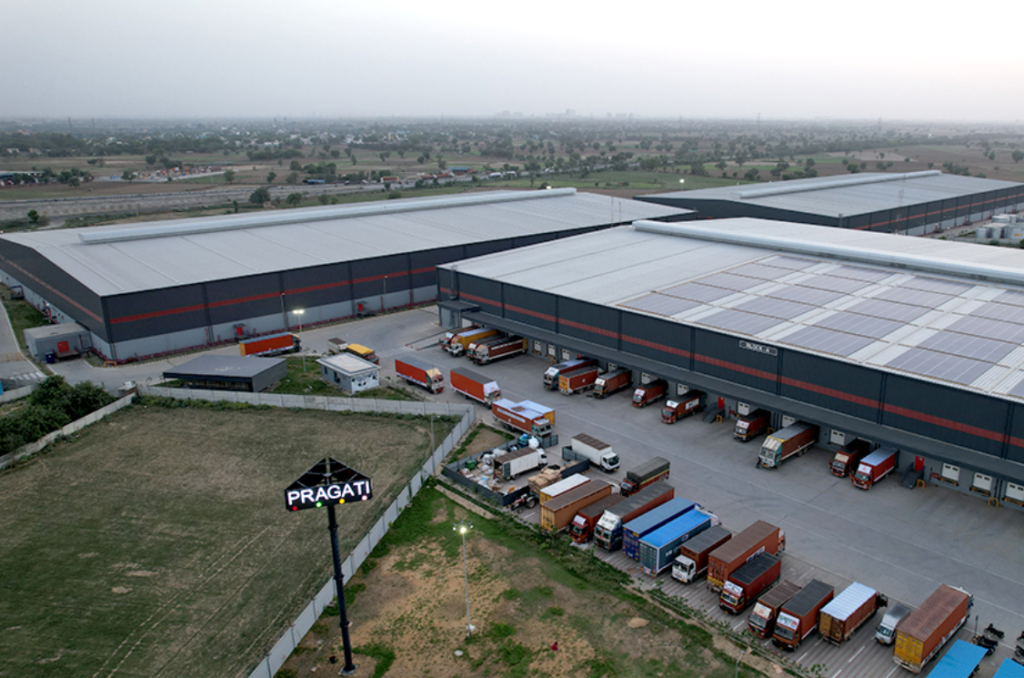
Project Overview
This project achieved LEED Gold Certification under the LEED v4 BD+C: Core and Shell rating system, earning 60/110 points through the implementation of sustainable building strategies. The certified project demonstrates strong performance across energy efficiency, water conservation, renewable energy, sustainable site development, construction waste management, indoor environmental quality, and innovation.
Key sustainability measures included 50.7% energy cost savings, 38.9% renewable energy contribution by cost, 55.19% indoor water-use reduction, 100% outdoor irrigation reduction, 98.84% construction and demolition waste diversion, and 92% daylight performance. The project also incorporated rainwater management, heat island reduction, building-level energy and water metering, construction IAQ management, and exemplary performance in indoor water use reduction and renewable energy production.
Project Details
| Rating System | LEED v4 BD+C: Core and Shell |
| Certification Level | LEED Gold Certified |
| Overall Rating | 60/110 points |
| Focus Areas | Energy Efficiency, Renewable Energy, Water Conservation, Rainwater Management, Sustainable Site Development, Construction Waste Management, Indoor Environmental Quality, Sustainable Transportation, Daylight and Innovation |
Sustainability Highlights
| Criteria | Achievement |
| Energy Efficiency | Achieved 50.7% energy cost savings after final review recalculations, with proposed annual electricity consumption of 2,537,718 kWh/year. |
| Renewable Energy | Achieved 38.9% renewable energy contribution by cost after final review recalculation. |
| Water Conservation | 49.82% reduction in potable water use through water-efficient fixtures and fittings. |
| Outdoor Water Conservation | Achieved a 100% reduction from the baseline for outdoor irrigation through the reduced irrigation strategy. |
| Indoor Water Conservation | Achieved a 55.19% reduction in water use through the usage-based indoor water-use calculation. |
| Water Metering | Implemented building-level water metering and water metering to support monitoring and management of water consumption. |
| Rainwater Management | Achieved the full documented Rainwater Management credit through the percentile rain-event management approach. |
| Heat Island Reduction | Achieved the documented Heat Island Reduction strategy covering both nonroof and roof measures. |
| Sustainable Transportation | Achieved Access to Quality Transit, supported by 238 weekday trips and 172 weekend trips, and also achieved the Reduced Parking Footprint credit. |
| Parking Reduction | The final review documentation reported a 95.81% reduction in parking capacity under the documented compliance approach. |
| Construction Waste Management | Achieved 98.84% construction and demolition waste diversion, supporting substantial reduction of construction waste sent to disposal facilities. |
| Indoor Air Quality | Achieved the Minimum Indoor Air Quality Performance prerequisite and implemented a Construction Indoor Air Quality Management Plan. |
| Daylight | Achieved 92% daylight performance through the measurement-based daylight approach. |
| Light Pollution Reduction | Achieved the Light Pollution Reduction credit using the BUG Rating Method for uplight and light trespass control. |
| Innovation | Achieved two Innovation points, including exemplary performance for Indoor Water Use Reduction at 55.19% and Renewable Energy Production at 38.9% of energy cost. |